

Treatment for melasma, or “mask of pregnancy,” offered by Encinitas, CA dermatologist

Symptoms of melasma
Melasma presents as brown patches all over the face. The most common places for the patches are the forehead, cheeks, chin, bridge of the nose, and above the upper lip. Other areas of the body that are frequently exposed to the sun’s rays, such as the neck and forearms, can also be affected.Melasma can be quite concerning, as the brown pigmentation of is often difficult to cover up. If you think you may have melasma, evaluation by a Board-certified dermatologist is essential to make sure that what you have is indeed melasma. Then, a dermatologist like Dr. Lloyd will guide you through your treatment options.
Causes of melasma
While melasma is much more common in women, men can also get it. Melasma is caused by various things. It is frequently called “the mask of pregnancy” because the hormones associated with pregnancy can trigger the condition. Oral contraceptives are also a common cause of melasma. However, if you are suffering from what you suspect is melasma, a full investigation by a Board-certified dermatologist is warranted to determine both the diagnosis and the cause.Treatment options for melasma

First and foremost, melasma is worsened significantly by ultraviolet radiation; therefore, it is imperative that anyone with melasma wear a broad-spectrum, full coverage sunscreen every day — rain, snow, or shine! If you are not vigilant about protecting yourself from the sun every day, then any other treatment options for melasma will be counterproductive because the sun’s UV radiation worsens melasma so easily. Wearing a wide-brimmed hat to shield your face can be a good second line of protection, as sunscreens cannot block out all the sun’s UV rays.
Other modalities for treating melasma include:
- Retinoids such as tretinoin: these exfoliate the skin and can be helpful in reducing melasma pigmentation
- Hydroquinone: this comes in a gel, liquid, lotion, or cream and gradually lightens the skin; while it can be purchased over the counter in some cases, a dermatologist can prescribe a higher strength version and monitor your results
- Botanicals like kojic acid: several natural skin lightening products are available that can help reduce the signs of melasma; different botanicals work in different ways, so it is important for your dermatologist to make a recommendation on which type to use
- Chemical peels: these peel off the top layer of skin, which can diminish the pigmentation and allow other treatments to better penetrate the skin Laser treatments: lasers can be used to target specific pigments in the skin to reduce their appearance, and can have additional benefits such as a reduction in the appearance of wrinkles, uneven skin tone, scarring, and large pores
Schedule a consultation today
If you suspect that you have melasma or are tired of trying fruitlessly to cover it up with makeup, it is important to know that you have options! Treatment for melasma is a long-term commitment that both the patient and dermatologist need to make; however, when both the patient and dermatologist are committed and doing what they need to do to work together, melasma can be improved. Dr. Lloyd understands how melasma can negatively affect your self-confidence and is here to work with you every step of the way. To schedule an appointment, call our office at 760-452-2080 today! We are conveniently located at 477 N. El Camino Real, Suite D304 in Encinitas, CA.More MELASMA Related Articles
- Treatment for Melasma and is it Cancerous
- Treatment for melasma, or “mask of pregnancy,” offered by Encinitas, CA dermatologist
Back to Melasma Page
Success Stories




Latest Blog Post
Meet Dr. Amanda Lloyd
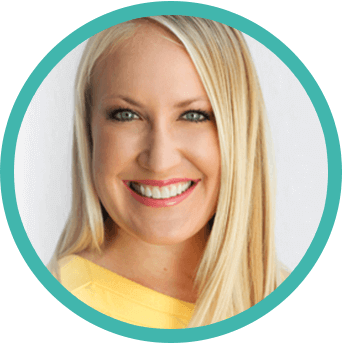
Dr. Amanda Lloyd is a respected Board Certified Dermatologist based in Encinitas, CA, with over 14 years of experience. She holds a Bachelor of Science in Biochemistry from UCLA Honors College and a medical degree from the University of Vermont College of Medicine. Dr. Lloyd completed her dermatology residency as chief resident at Baylor University Medical Center. She then was a fellow in Micrographic Dermatologic Surgery after which she became board certified in Micrographic Surgery and Dermatologic Oncology. A Fellow of the American Society for Mohs Surgery, she is also a member of the AAD and ABVLM. An editor for JAMA Dermatology, Dr. Lloyd contributes to advancing dermatological knowledge. Her dedication to patient care and education underscores her trustworthiness and expertise.
Meet the Doctor