

American Board of Venous and Lymphatic Medicine Diplomate in Encinitas discusses varicose vein removal

Can varicose veins be removed safely?
This is a common question, since we presume that all veins are necessary to keep bodily tissues healthy. However, that is not the case. An adult has about 100,000 miles of blood vessels - arteries, veins, and capillaries. Each type performs a specific role. Large arteries carry oxygenated blood to small vessels called capillaries, which allow for oxygen to be delivered to your body's tissues. These small vessels then connect to veins which transport the oxygen depleted blood back to the heart and lungs.Veins are not as thick and robust as arteries. They also differ in that they contain one-way valves to keep blood flowing toward the heart, resisting the force of gravity. Varicose veins occur when vein walls weaken, the valves malfunction and blood flows backwards pooling in the lower extremities.
Because the network of blood vessels is so vast, the body adapts easily to the removal of an abnormal vein. Flow of blood is simply re-routed to other veins that are functioning properly. Varicose vein removal does not deteriorate venous health. Rather, it improves the overall functioning of the cardiovascular system because the blood is redirected to healthy veins allowing it to return to the heart.
Less-invasive, faster recovery

Now, the main vein, or the greater saphenous vein, can be treated with endovenous laser ablation.
- A laser is placed inside the vein
- The vein is heated from the inside out
- Heat causes the vein to close down by making the vein walls stick together
- Your body takes it away naturally
About half the time, we are fortunate to have the additional ropey branches close off after the endovenous laser treatment. However, in the remainder of cases, another procedure called endovenous chemical ablation is required. It is also an outpatient procedure that is very easy and effective. An IV is started and a sclerosing solution is injected under ultrasound guidance. The solution makes the vein walls sticky. The vein walls adhere together and then the body naturally removes the abnormal vein. This eliminates the bulgy, ropey veins from the circulatory system, allowing the blood flow to be redirected into the normal working veins, so that the blood is no longer pooling in the lower extremities.
Often, this results in improvement in the aching and swelling of the legs. However, the etiology of these symptoms is often multifactorial and venous disease is not always the primary culprit.
Minimal downtime

Prompt treatment is essential
Treating venous disease is something you should seriously consider if you have the large, bulging, ropey veins, as they can lead to serious medical complications if left untreated. Often, these procedures are covered by health insurance, as it is a medical problem.The venous system can now be tackled with cutting-edge leading technologies, which Dr. Lloyd has in her office. Dr. Lloyd is a Diplomate of the American Board of Venous and Lymphatic Medicine, only eight of which are in the San Diego area, and she is the only one in North County. Dr. Lloyd performs all of the procedures herself. They are done under ultrasound guidance so that we know exactly what is being treated and that it is being treated correctly.
For more information on innovative, minimally-invasive varicose vein removal techniques, please call Skin & Vein Institute in Encinitas at (760) 642-6674 or email us at [email protected].
Related Articles
- The Benefits of Laser Vein Treatment for Varicose Veins
- American Board of Venous and Lymphatic Medicine Diplomate in Encinitas discusses varicose vein removal
- Qualified varicose vein removal in Encinitas
Back to Varicose Veins Page
Success Stories




Latest Blog Post
Meet Dr. Amanda Lloyd
DR. AMANDA LLOYD HAS BEEN SERVING HER PATIENTS MORE THAN 15 YEARS.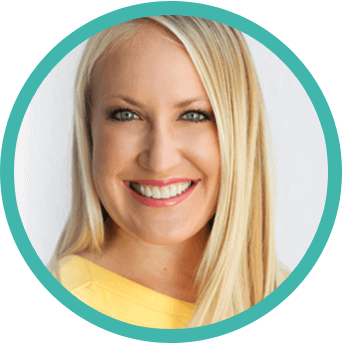
Board-Certified Dermatologist Dr. Amanda Lloyd has expertise ranging from cosmetic to cancerous. After completing her Bachelor’s degree, Medical Degree and Dermatology residency, she established the Skin & Vein Institute in Encinitas, CA. She is an authority on cosmetic dermatology and injectables, laser therapies, venous disease treatments and skin cancer surgery with cosmetic reconstruction. Additional training with Mohs Surgery and cosmetic dermatology fellowship, many published articles and textbook chapters have enhanced her profile.
Dr. Lloyd’s well-rounded approach to skin care, health, and appearance and membership in many dermatology associations have gained her respect among peers. She regularly lectures her peers at the dermatologic national meetings.
She has earned her patients trust as a dermatology authority who wants to make them look their best so they Look Stunning, Always.
Meet the Doctor